
APEC 2020 Malaysia

A guide to how APEC frameworks drive innovation, trade, and prosperity for Malaysians.

APEC 2020 Malaysia

A guide to how APEC frameworks drive innovation, trade, and prosperity for Malaysians.

Economy & Policy

The Malaysian Family in 2026: What APEC’s Demographic Data Tells Us About Marriage, Divorce, and Our Future

Malaysia recorded 60,457 divorces and just 190,304 marriages in 2024, while births hit a record low. Fewer weddings, more families breaking apart, and a fertility rate of 1.6 — well below replacement level. These trends are not unique to Malaysia. Across APEC’s 21 economies, demographic change has become one of the most urgent shared challenges. This article examines what the data says about the Malaysian family, how Malaysia’s dual legal system handles the rising tide of divorce in Malaysia, and what APEC frameworks suggest about the road ahead.
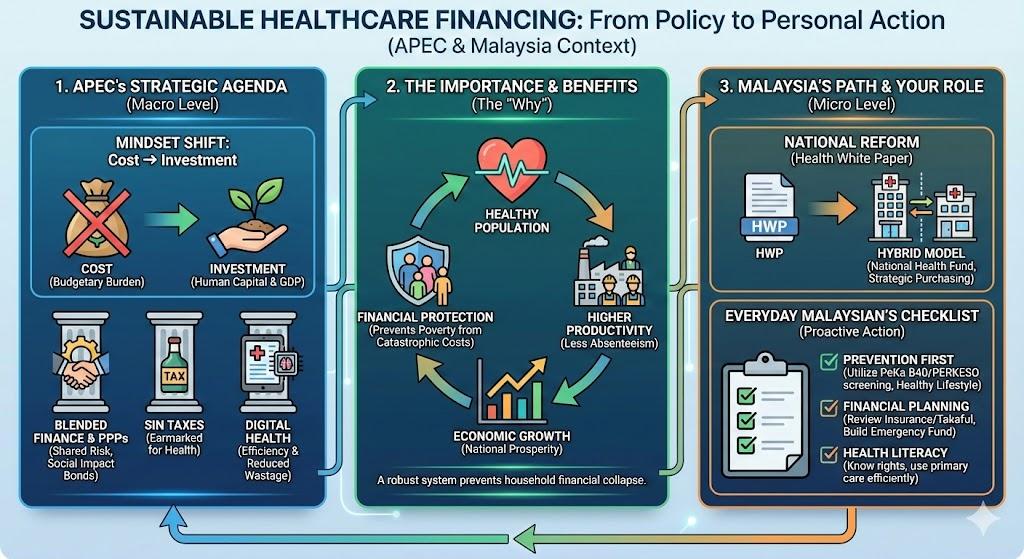
Apakah itu Agenda APEC Sustainable Healthcare Financing?

Agenda APEC Sustainable Healthcare Financing (ataupun Pembiayaan Kesihatan Mampan) memberi tumpuan kepada satu perubahan strategi yang besar dalam hala tuju besar kerajaan Malaysia: Tujuan ia adalah untuk mengubah pandangan terhadap penjagaan kesihatan serta pencegahan penyakit daripada dianggap sebagai kos perbelanjaan (beban bajet) kepada pelaburan produktif dalam modal insan. Agenda ini dipacu terutamanya oleh Life Sciences […]

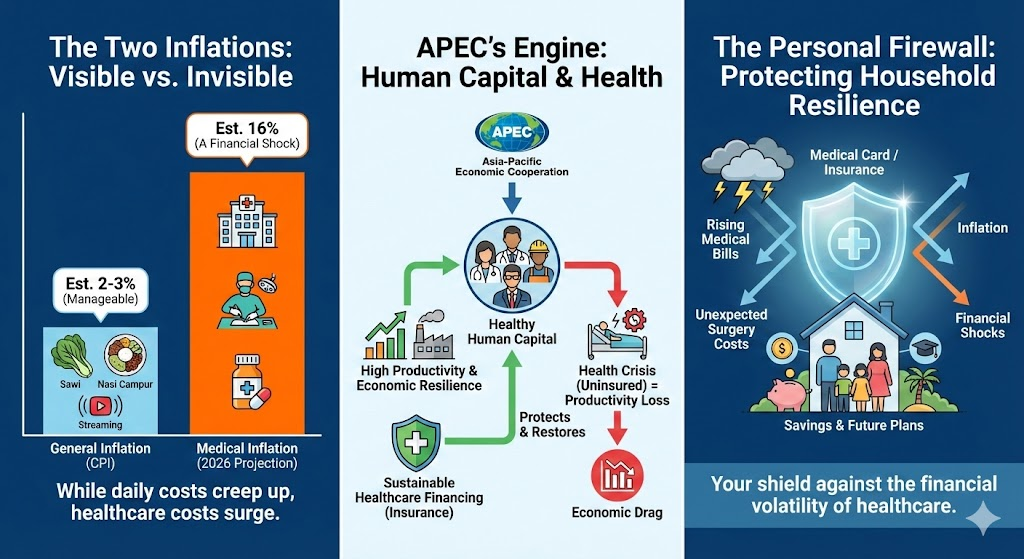
The Two Inflations in Malaysia: Why the Price of Survival is Rising Faster Than the Price of Living

Malaysia is facing several healthcare pressures at the same time. The cost of living continues to rise, medical inflation has pushed private treatment costs higher year after year, and non-communicable diseases such as diabetes, heart disease and cancer are becoming increasingly common. In this environment, sustainable healthcare policies are important not only for the healthcare system, but also for protecting Malaysian households from serious financial stress. We are fortunate to have heavily subsidised public healthcare, where treatment at KKM facilities can cost as little as RM1, but the public system has been overstretched since even before COVID-19. For many non-emergency cases, patients may face long queues and lengthy waits for specialist appointments or treatment. This is where private healthcare needs to help fill the gap. The problem is that private medical care can be expensive, while a large number of Malaysians still do not have adequate medical insurance. This is one of the gaps that the government-backed MHIT MediAsas pilot program is trying to address: making basic private medical protection more affordable and sustainable, so that more Malaysians have another option when they need healthcare.